Understanding Sports Broadcasting
What is Sports Broadcasting?
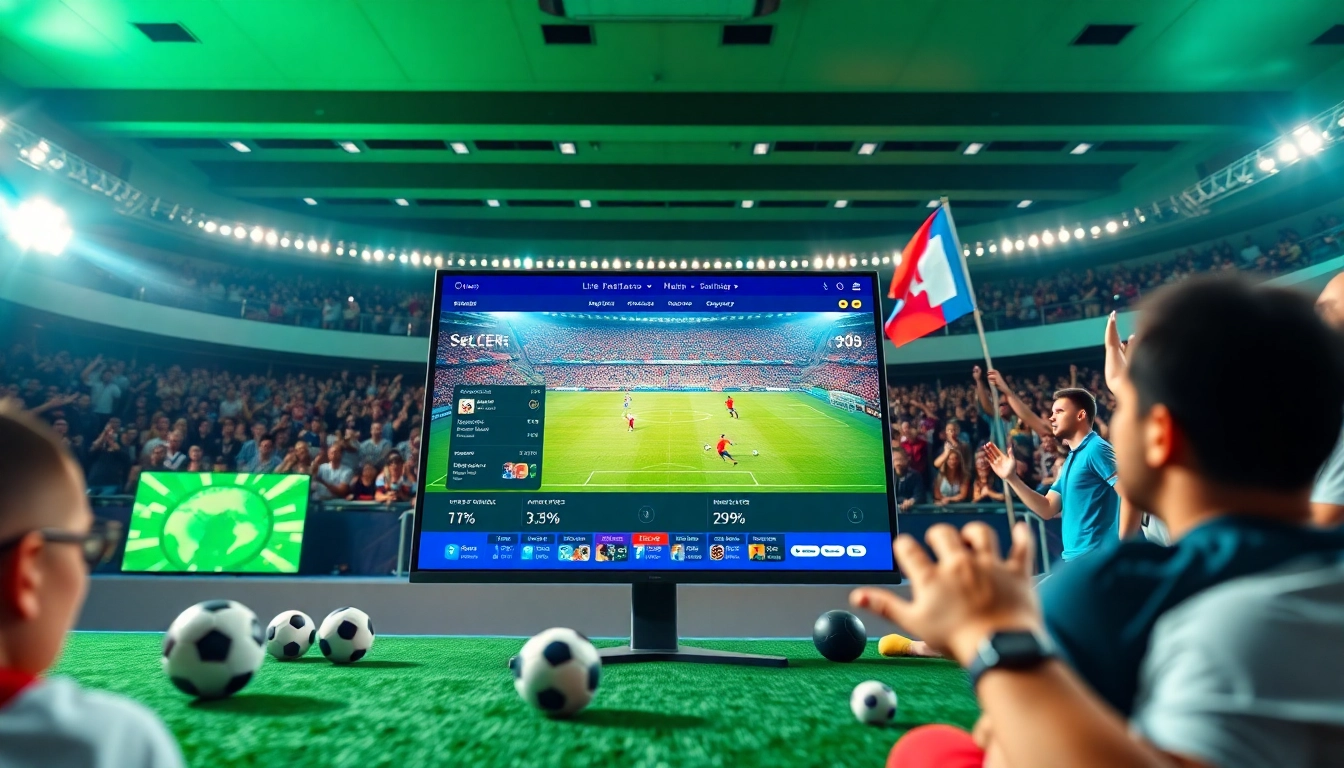
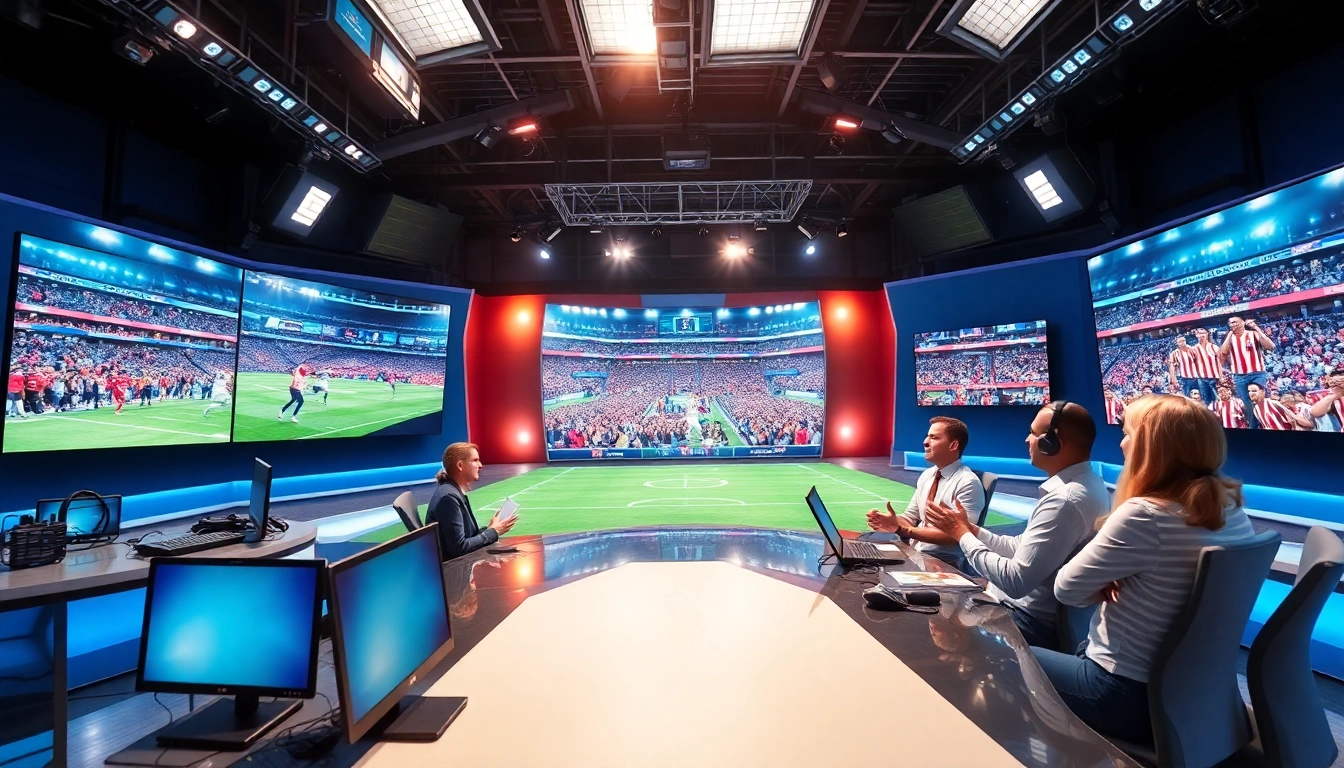
Sports broadcasting refers to the coverage of sports events via television, radio, and online platforms. It serves as a vital medium for delivering real-time updates, highlights, and analysis to fans worldwide. Through various formats—including play-by-play commentary, expert analysis, and the integration of statistics—sports broadcasting enhances the viewing experience, creating a connection between the audience and the events they love. Within this realm, a myriad of strategies can be implemented to maximize engagement and viewer retention. For a more detailed exploration of this exciting field, consider diving into Sports Broadcasting insights.
Key Technologies in Sports Broadcasting
The landscape of sports broadcasting has evolved dramatically with advancements in technology. High-definition cameras, drone technology, and augmented reality (AR) are just a few of the innovations enhancing the viewing experience.
1. HD and 4K Technology: High-definition broadcasts provide crystal-clear images that enhance viewer engagement. 4K technology offers even greater detail, drawing viewers deeper into the action.
2. Virtual Reality: VR technology allows fans to experience games in an immersive environment, providing a unique perspective that traditional broadcasts cannot.
3. Streaming Platforms: The rise of streaming services has transformed how fans consume sports. Live streaming offers convenience and flexibility, accommodating viewers’ diverse preferences.
4. Data Analytics: Sophisticated analytics tools are used to gather real-time data on player performance and game statistics, enriching commentary and providing deeper insights.
The Role of Audience Engagement
Audience engagement in sports broadcasting is crucial for maintaining viewer interest and loyalty. Engaged viewers are more likely to return for future broadcasts, increasing overall ratings and revenue. This engagement can take several forms:
- Social Media Interaction: Platforms like Twitter and Instagram allow fans to engage in real-time discussions during games, creating a sense of community.
- Polls and Surveys: Utilizing interactive polls during broadcasts can gather viewer opinions and increase participation.
- User-Generated Content: Encouraging fans to share their experiences and insights can promote a deeper connection with the content.
Best Practices for Sports Broadcasting
High-Quality Content Creation
Quality content is the cornerstone of successful sports broadcasting. Creating engaging and informative content typically involves:
- Storytelling: Narratives surrounding athletes, teams, and pivotal moments make broadcasts more compelling.
- Expert Analysis: Employing knowledgeable commentators adds depth to the viewing experience.
- Visual Graphics: Graphics that present statistics or highlight plays can help viewers better understand the game’s context.
Effective Use of Social Media
Social media serves as an invaluable tool for sports broadcasters. An engaged online community can significantly enhance the reach and impact of your broadcasts. Key strategies include:
- Cross-Promotion: Utilizing social media to promote upcoming games and events ensures that fans are aware and engaged.
- Live Updates: Posting real-time updates and highlights keeps audiences informed and encourages them to tune in.
- Behind-the-Scenes Content: Exclusive glimpses into players’ lives or team preparations provide added value to viewers.
Engaging Viewers with Interactive Features
Interactive features elevate the viewing experience, making it more immersive. Some effective strategies include:
- Live Stats: Providing real-time stats allows viewers to follow the game closely and engage with the action.
- Augmented Reality Elements: AR can create engaging graphics that overlay pertinent data during broadcasts.
- Fan Interaction: Hosting Q&A sessions with players or commentators fosters a direct connection with the audience.
Challenges in Sports Broadcasting
Addressing Viewer Fatigue
As content availability increases, viewers can experience fatigue. To combat this, broadcasters should:
- Diversify Offerings: Introducing different formats, such as podcasts or highlight reels, helps maintain interest.
- Limit Overexposure: Ensuring that coverage doesn’t become overwhelming is key. Consider varying the intensity of coverage for different events.
- Listener Feedback: Regularly soliciting audience feedback can guide content strategy and help tailor experiences.
Adapting to Technological Changes
The rapid pace of technological change presents both opportunities and challenges. Staying current requires a proactive approach:
- Continuous Training: Regularly updating technical skills for staff ensures a seamless transition to new tools and methodologies.
- Investing in Innovation: Allocating resources towards emerging technologies like 5G can significantly improve broadcasting quality.
- Consumer Education: Informing viewers about new technologies and features can enhance their viewing experience.
Managing Audience Expectations
With rising competition, accurately managing audience expectations is crucial. This can entail:
- Clear Communication: Transparent communication regarding changes in broadcast schedules or formats is essential.
- Highlighting Improvements: When implementing new features or technologies, showcase their benefits to ease viewer transitions.
- Consistent Quality: Maintaining high-quality broadcasts helps build trust and loyalty with the audience.
Future Trends in Sports Broadcasting
The Impact of Streaming Services
Streaming services are reshaping how sports are consumed, prompting traditional broadcasters to adapt their strategies. Some impacts include:
- Flexible Viewing: Viewers appreciate the ability to watch on multiple devices without being tied to a cable subscription.
- Global Access: Streaming allows international audiences to engage with content that may have previously been inaccessible.
- Subscription Models: The rise in subscription-based access is prompting a shift in revenue models from traditional advertising.
Innovative Viewing Experiences
The viewer experience is continually evolving. Innovations aimed at enhancing this experience include:
- Multi-Angle Viewing: Providing viewers with the option to select their camera angles increases engagement and engagement.
- Enhanced Sound Quality: Operators are investing in better audio technologies, providing nuanced soundscapes during broadcasts.
- Gamification: Introducing game-like elements into broadcasts creates an entertaining experience that keeps fans engaged.
Personalization in Sports Broadcasting
Personalization is becoming a key driver in enhancing viewer satisfaction. Techniques to consider include:
- Customized Content: Offering viewers the option to choose their preferred commentary style or angles can significantly enhance their experience.
- Data-Driven Recommendations: Analyzing viewer habits can help tailor recommendations for sports content they are likely to enjoy.
- Dynamic Content Delivery: Real-time adjustments based on viewer feedback can help keep the audience engaged throughout broadcasts.
FAQs About Sports Broadcasting
What platforms are most popular for sports broadcasting?
Popular platforms for sports broadcasting include national sports networks, cable channels, and OTT streaming services. Viewers enjoy flexibility in accessing these channels on various devices.
How can brands leverage sports broadcasting for marketing?
Brands can capitalize on sports broadcasting by sponsoring events, advertising during live broadcasts, or integrating products within content to enhance visibility and engagement.
What technology is essential for high-quality sports broadcasts?
Essential technologies include HD cameras, augmented reality tools, streamlined graphics software, and robust online streaming platforms to ensure the highest production quality.
How do interactive features enhance viewer experience?
Interactive features allow viewers to engage with the broadcast actively. They can participate in polls, access real-time stats, and enjoy customizable viewing options, enriching their experience.
What are the upcoming trends to watch in sports broadcasting?
Upcoming trends include the increasing use of virtual reality, enhanced personalization options, more strategic partnerships with streaming services, and a stronger focus on user engagement through interactive content.