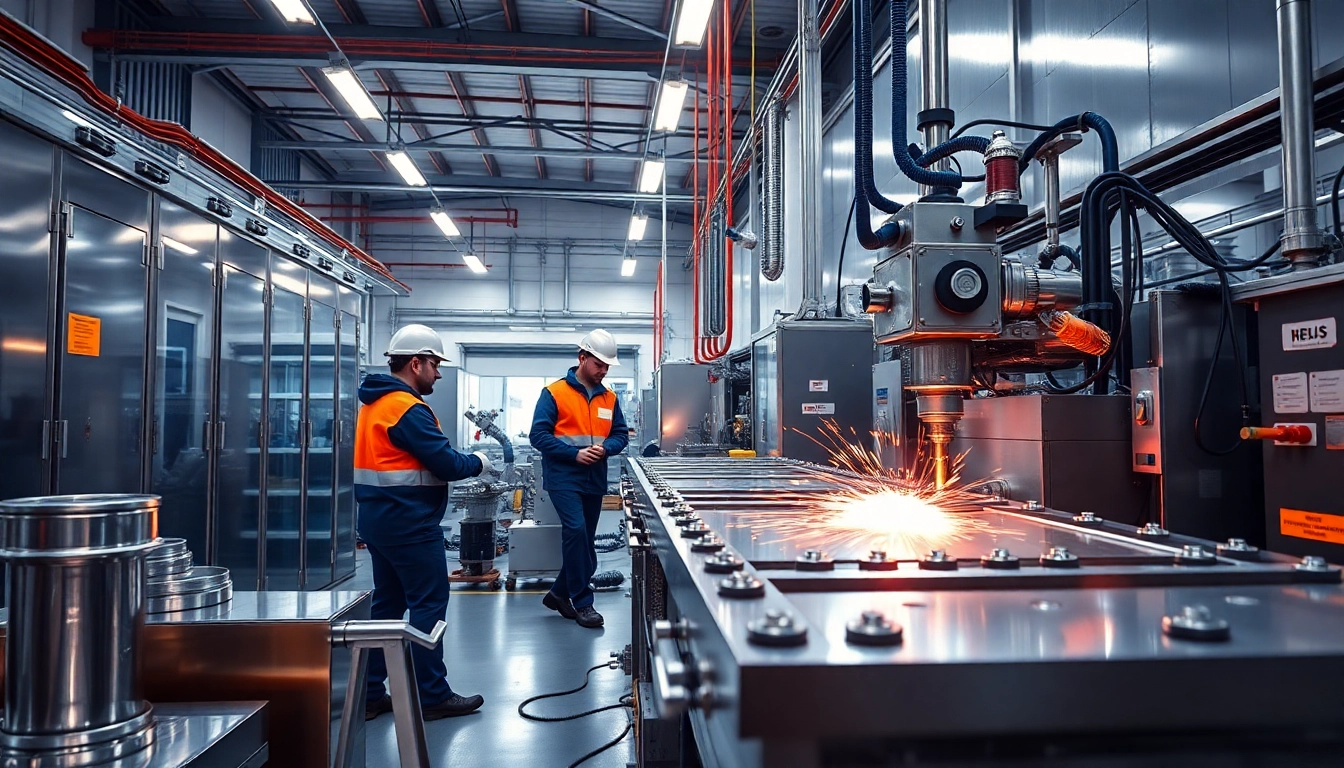
Understanding Zinc Plating in Malaysia
Zinc plating, a well-established electroplating technique, offers a robust solution for protecting metal components from corrosion. In Malaysia, this process has gained traction across various industries due to its cost-effectiveness and versatility. As businesses strive for durability in their metal products, understanding the nuances of zinc plating malaysia becomes essential for making informed decisions about their manufacturing processes and material selections. This article aims to elucidate the fundamentals, benefits, and applications of zinc plating, along with insights into its processes, cost factors, quality standards, and future trends.
What is Zinc Plating?
Zinc plating is a method of applying a protective zinc coating to steel or iron to prevent rusting. This process involves immersing the metal component in a zinc salt solution, followed by electrolysis. The electrolysis process discharges positive zinc ions onto the surface of the metal, creating a thin, yet effective layer of zinc. This sacrificial layer not only protects the underlying metal but also improves its aesthetic appeal.
Benefits of Zinc Plating for Metal Components
- Corrosion Resistance: Zinc provides outstanding protection against corrosion, which is particularly beneficial for components exposed to harsh environments.
- Improved Durability: The zinc coating enhances the life span of metal parts, making them suitable for a wide array of applications.
- Aesthetic Appeal: Zinc plating can create a uniform, attractive finish, enhancing the visual appeal of the products.
- Affordability: Compared to other plating methods, zinc plating is a cost-effective solution, making it desirable for manufacturers.
Common Applications of Zinc Plating in Various Industries
Zinc plating finds extensive applications across multiple sectors, including:
- Automotive Industry: Components such as brake parts, fasteners, and chassis components are commonly zinc plated for enhanced durability.
- Aerospace: Aircraft components are plated to ensure resistance to environmental conditions and improve safety standards.
- Construction: Steel structures and fittings often utilize zinc plating to withstand exposure to moisture and other damaging elements.
- Manufacturing: Machinery and tools benefit from zinc plating, enhancing performance and reducing maintenance costs.
Zinc Plating Process Explained
The zinc plating process comprises several essential stages which ensure the efficient application of the protective layer while maintaining the integrity of the base metal. This section will break down the steps involved, necessary equipment, and safety considerations during operations.
Step-by-Step Guide to the Zinc Plating Process
- Surface Preparation: The metal surface must be cleaned to remove any grease, oil, or contaminants. This can involve degreasing and acid treatments.
- Activation: The cleaned surface is treated with an acid solution to activate the metal for better adhesion of the zinc layer.
- Electrolytic Plating: The component is immersed in a zinc solution, and electrical current is applied to facilitate the deposition of zinc on the surface.
- Rinsing: Post-plating, the component is thoroughly rinsed to remove excess zinc and any residual chemicals.
- Drying: The final step involves drying the plated component to ensure the coating is intact and ready for use.
Required Equipment and Technology for Effective Zinc Plating
To carry out effective zinc plating, several key pieces of equipment are necessary:
- Electroplating Bath: This is where the electroplating process occurs, containing the zinc solution.
- Power Supply: A reliable power source is crucial for generating the necessary current to facilitate plating.
- Cleaning and Degreasing Stations: Equipment for preparing the metal surfaces is essential for optimizing adhesion.
- Rinsing Tanks: These are needed for thoroughly rinsing components after plating to prevent contamination.
Safety Measures During Zinc Plating Operations
Safety is paramount in any manufacturing process, including zinc plating. Here are important safety measures to consider:
- Personal Protective Equipment (PPE): Workers should wear gloves, goggles, and protective clothing to minimize exposure to chemicals and hazards.
- Ventilation: Adequate ventilation is necessary to protect workers from harmful fumes generated during the plating process.
- Proper Waste Disposal: All chemicals and waste products must be disposed of according to local regulations to minimize environmental impact.
Cost Factors in Zinc Plating Malaysia
Understanding the cost structure for zinc plating services in Malaysia can help businesses make informed budgeting decisions. Several factors contribute to the overall pricing.
Understanding Zinc Plating Pricing Models
The pricing for zinc plating can vary based on a range of factors, including:
- Component Size and Complexity: Larger and more complex parts require more time and resources to plate, affecting cost.
- Volume: Higher order volumes can lead to discounted rates due to economies of scale.
- Surface Preparation Requirements: Additional cleaning and preparation steps can increase the cost of the overall service.
Comparing Costs: In-House vs. Outsourced Zinc Plating
Many businesses grapple with the decision of whether to manage zinc plating operations in-house or to outsource to specialists. Each option has its cost implications:
- In-House: While this option allows for more control, it requires significant investment in equipment and personnel training.
- Outsourced: Outsourcing can reduce overhead costs and is often more cost-effective for smaller businesses or one-off projects.
Economical Solutions for Small to Large Scale Needs
For companies seeking to balance quality and cost, various economical solutions are available:
- Bulk Orders: Placing large orders might allow companies to negotiate better pricing with providers.
- Standardization: Standardizing components can lead to lower preparation costs and simplified processes.
- Long-term Partnerships: Establishing ongoing relationships with reputable plating services can yield favorable pricing models.
Quality Assurance in Zinc Plating Services
Ensuring high-quality outputs in zinc plating is critical for maintaining product integrity. Organizations must adhere to various quality standards and perform routine inspections.
Key Quality Standards and Certifications
Specific standards govern zinc plating processes, including:
- ISO 9001: This standard ensures a strong quality management system is in place for manufacturing processes.
- ASTM B633: This specification outlines the requirements for zinc coatings on iron and steel.
Evaluating the Quality of Zinc Plating Services
Businesses should implement a rigorous evaluation process when selecting a zinc plating service, focusing on:
- Customer Reviews: Feedback from previous clients can provide insight into reliability and service quality.
- Certification Verification: Ensuring the service provider holds relevant certifications guarantees compliance with industry standards.
Common Pitfalls to Avoid During Zinc Plating
Being aware of common pitfalls can help businesses avert costly mistakes during zinc plating:
- Neglecting Surface Preparation: Poor preparation can lead to adhesion issues, compromising the coating’s effectiveness.
- Ignoring Quality Standards: Failing to adhere to established standards can result in defects and product failures.
Future Trends in Zinc Plating: 2025 and Beyond
As the demand for high-performance coatings increases, the zinc plating industry is poised for transformative changes driven by technological advancements and environmental considerations.
Emerging Techniques and Technologies in Zinc Plating
The future of zinc plating involves the adoption of innovative techniques and technologies, including:
- Advanced Electroplating Systems: State-of-the-art electroplating systems are being developed to improve efficiency and reduce waste.
- Automated Processes: Automation in plating operations will likely enhance consistency and reduce labor costs.
Eco-Friendly Practices in Zinc Plating Operations
With growing concerns over environmental impact, zinc plating operations are gradually adopting eco-friendly practices, such as:
- Non-Toxic Chemicals: Utilizing less harmful chemicals in the plating solution to reduce environmental and health risks.
- Waste Recycling: Implementing systems to recycle wastewater and other materials, promoting sustainability.
Industry Predictions and Innovations for Zinc Plating Malaysia
The zinc plating landscape in Malaysia is expected to evolve significantly by 2025 and beyond, driven by technological advancements and an increasing focus on sustainability. Businesses that adapt to these changes will be better positioned to thrive in a highly competitive environment.