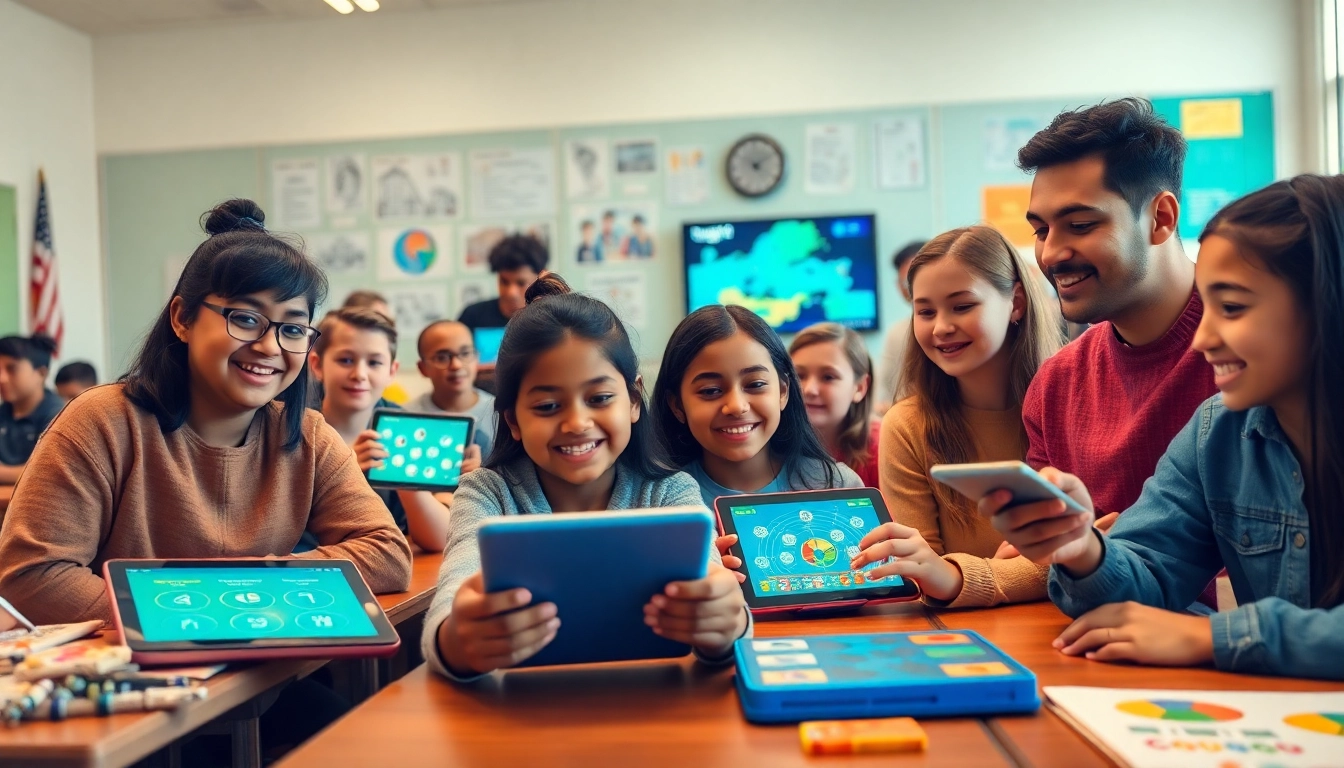
Understanding Educational Gamification
What is Educational Gamification?
Educational gamification refers to the integration of game design elements in educational environments to enhance learning experiences and improve student engagement. By incorporating aspects such as points, levels, badges, and competitive elements into educational settings, educators aim to make learning more dynamic and enjoyable. This innovative approach leverages the inherent appeal of games—challenge, achievement, recognition—to motivate students. As education increasingly shifts towards more interactive methodologies, the role of educational gamification becomes more prominent, promising to redefine how students acquire and retain knowledge.
The Science Behind Engaging Learning Experiences
Research in educational psychology indicates that game-based learning taps into several cognitive and emotional processes that enhance retention and understanding. The core principles of gamification—motivation, engagement, and feedback—are crucial in keeping learners invested in their material. According to studies, when students are actively involved in their learning processes, they are likely to demonstrate improved performance and a higher level of satisfaction. The use of game mechanics can stimulate a sense of agency in learners, helping them to feel responsible for their paths in education while promoting a competitive spirit that drives them to achieve more.
Benefits of Educational Gamification for Students
The advantages of gamified learning experiences are multifaceted:
- Increased Engagement: Students are more likely to participate actively in their education when they are immersed in gamified content.
- Enhanced Motivation: The competitive elements of gamification encourage students to push themselves further and stay motivated to reach new milestones.
- Improved Retention: Information presented through gamified formats tends to stick with students longer compared to traditional methods.
- Immediate Feedback: Game-like assessments allow students to receive instant feedback, which can clarify understanding and encourage improvement.
Implementing Educational Gamification Strategies
Identifying Key Learning Goals
The first step in implementing educational gamification is to identify the learning objectives. Clearly defined goals not only provide a roadmap for instruction but also help in tailoring the game mechanics to fit the educational outcomes. Educators must determine what skills or knowledge students should acquire by the end of the gamified experience. This process involves conducting assessments on students’ current abilities, interests, and learning styles, ensuring that the gamified elements align closely with established curriculum standards.
Choosing Appropriate Gamification Tools
With a clear understanding of learning goals, educators can select the right tools to integrate gamification into their teaching. Numerous platforms and technologies are designed specifically for educational gamification, including:
- Kahoot: This interactive platform enables educators to create quizzes and games that are engaging and fun to play in real-time.
- Classcraft: By turning the classroom into a role-playing game, Classcraft encourages students to work collaboratively while achieving academic goals.
- Duolingo: The app gamifies language learning, using levels and rewards to encourage daily practice.
- Edmodo: This social-learning platform includes features that allow teachers to create challenges and competitions among students.
Incorporating Game Mechanics into Lessons
To bring gamification to life, educators should weave game mechanics into their lessons thoughtfully. Key elements to consider include:
- Points System: Assign points for completing tasks, participating in discussions, or helping peers. This builds a sense of achievement.
- Progress Tracking: Use visual representations of progress, such as a leaderboard or a progress bar, to motivate students to keep going.
- Challenges and Quests: Craft tasks that students can tackle as quests that require critical thinking and collaboration, enhancing the sense of adventure in learning.
- Rewards and Recognition: Create badges or certificates that formally commend students for their efforts and milestones.
Measuring the Impact of Gamified Learning
Setting Up Metrics for Success
Establishing metrics is crucial to evaluate the effectiveness of gamified learning experiences. Metrics can focus on both qualitative and quantitative data, encompassing elements such as:
- Engagement Levels: Monitor student participation rates and the time spent on each gamified task.
- Academic Performance: Assess students' grades and improvements on standardized tests compared to previous benchmarks.
- Feedback Surveys: Collect feedback directly from students about their experiences with gamification to gauge satisfaction and areas for improvement.
Analyzing Student Performance and Engagement
Once the data has been collected, the next step is analyzing it effectively. Identifying trends in performance can highlight strengths or weaknesses in the gaming approach used. For instance:
- Are students completing quests and achieving high scores, or is there a drop-off in engagement during specific activities?
- What types of challenges resonate more with learners? Are they preferring collaborative tasks or competition-based assessments?
- How do the performance metrics correlate with traditional assessments?
This analysis will guide adjustments to the gamification elements to create even more effective learning experiences.
Adapting Strategies for Continuous Improvement
Educational gamification is an iterative process; it should be continually refined. Feedback from students should directly inform improvements in game mechanics and learning goals. In addition, ongoing professional development for educators is essential in staying updated on best practices in gamification. Networking with other educators can also provide valuable insights into innovative methods and tools to enhance the learning experience.
Challenges in Educational Gamification
Overcoming Resistance from Traditional Educators
One of the most significant barriers to the implementation of gamified learning is the resistance from educators accustomed to traditional teaching methodologies. To overcome this challenge, it is essential to provide evidence of the effectiveness of gamification backed by research and case studies. Workshops or interactive sessions can also demonstrate how gamified elements can seamlessly fit within existing curricula.
Addressing Technical Barriers in Implementation
While gamification tools can enhance the learning experience, technical difficulties can create obstacles. Schools may lack the resources required to implement sophisticated gamification platforms. Solutions include:
- Utilizing free or low-cost gamification tools that effectively engage students with minimal technical requirements.
- Engaging in community partnerships that provide access to technology or platforms that support gamified learning.
- Providing training for teachers to become more comfortable with using technology in the classroom.
Ensuring Inclusivity for Diverse Learning Needs
When implementing gamification, it is crucial to ensure that all students, regardless of learning styles or abilities, can participate fully. This might entail:
- Differentiated Tasks: Offering varied levels of challenges to accommodate different learning paces and preferences.
- Accessible Tools: Selecting gamification platforms that prioritize accessibility features for students with disabilities.
- Inclusive Community: Creating a classroom environment where all students feel safe to express themselves and engage with their peers in meaningful ways.
Case Studies and Success Stories
Successful Schools Using Educational Gamification
Several institutions have realized notable success through the implementation of gamified learning:
- Quest to Learn: In New York City, Quest to Learn has effectively integrated game-based elements into its curriculum, resulting in increased student engagement and improved academic outcomes.
- Brookwood High School: This Georgia school adopted gamification within its computer science curriculum, which led to heightened interest in technology among students, as evidenced by increased enrollment in advanced technical courses.
Real-World Examples of Effective Strategies
Across the globe, numerous educators have implemented successful gamification strategies that can serve as inspiration:
- Mathletics: This platform engages students in mathematics through gamified assessments and interactive lessons that adapt to individual progress.
- Battle for the Atlantic: An innovative marine science program transformed students into "marine biologists" in a competition to save ocean ecosystems through gamified challenges.
Lessons Learned and Future Directions
As educational gamification evolves, it's essential to leverage lessons learned from early implementations. Continuous research and feedback are imperative in developing new methodologies for gamification that will cater to emerging educational needs. Future directions may involve:
- Integrating artificial intelligence to personalize gamified experiences.
- Exploring virtual and augmented reality to enhance immersive learning.
- Fostering collaboration among educational institutions to create a unified approach to gamification.